
How to Upgrade My Garden: Modern Ideas for a Beautiful Outdoor Space

A garden is more than just an outdoor area filled with plants. It can become an extension of your home where you relax, entertain guests, spend time with family, or simply enjoy nature. If your outdoor space feels outdated, empty, or difficult to maintain, you may be wondering how to upgrade my garden without wasting money or making unnecessary changes.
A successful garden upgrade does not always require a complete renovation. Small improvements such as better landscaping, improved lighting, functional seating, healthier plants, and smart design choices can completely transform the appearance and usability of your outdoor space.
This guide explains practical ways to improve your garden, from simple DIY changes to more advanced landscaping improvements. Whether you have a small backyard or a large outdoor area, these ideas can help you create a more attractive, comfortable, and valuable garden.
Why Should You Upgrade Your Garden?
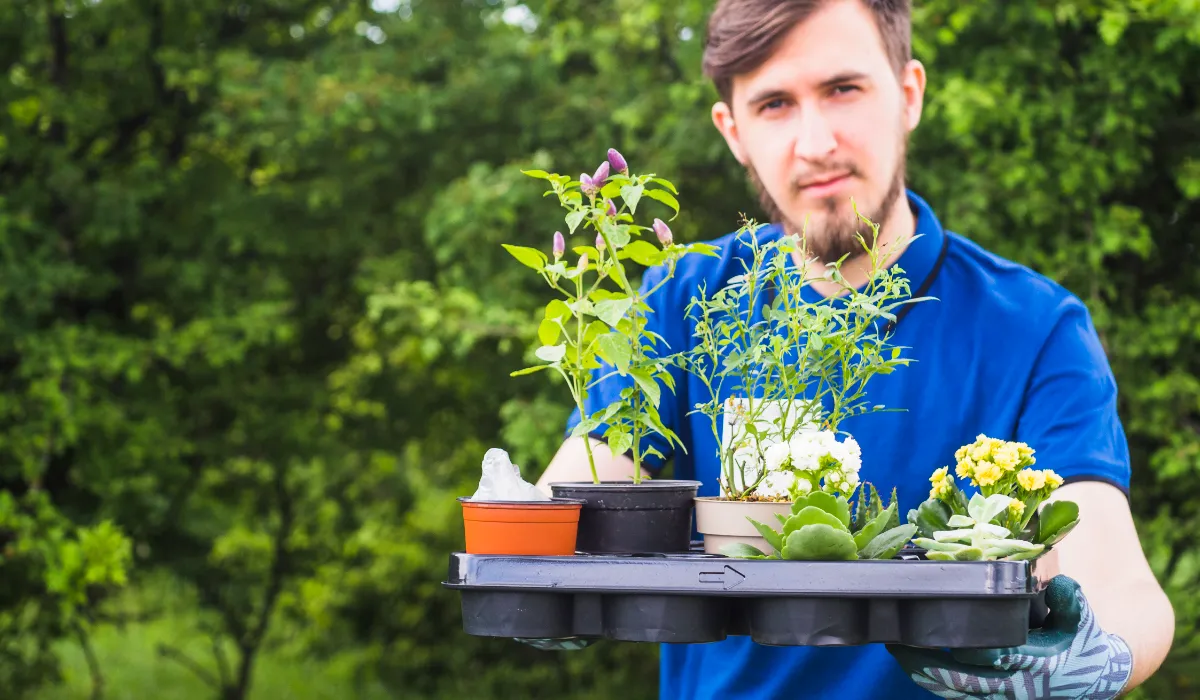
Before planning changes, it is important to understand why improving your garden can make a difference. A well-designed garden improves the overall appearance of your property and creates a more enjoyable outdoor environment.
Many homeowners focus only on interior renovations, but outdoor spaces also influence how a home feels. A neglected garden can make a property look unfinished, while a thoughtfully designed landscape creates a welcoming atmosphere.
Upgrading your garden can help you:
- Increase outdoor comfort and functionality
- Improve your home's visual appeal
- Create additional living space
- Make maintenance easier
- Support a healthier environment
A garden upgrade should balance beauty, practicality, and long-term maintenance.
Plan Your Garden Upgrade Before Making Changes
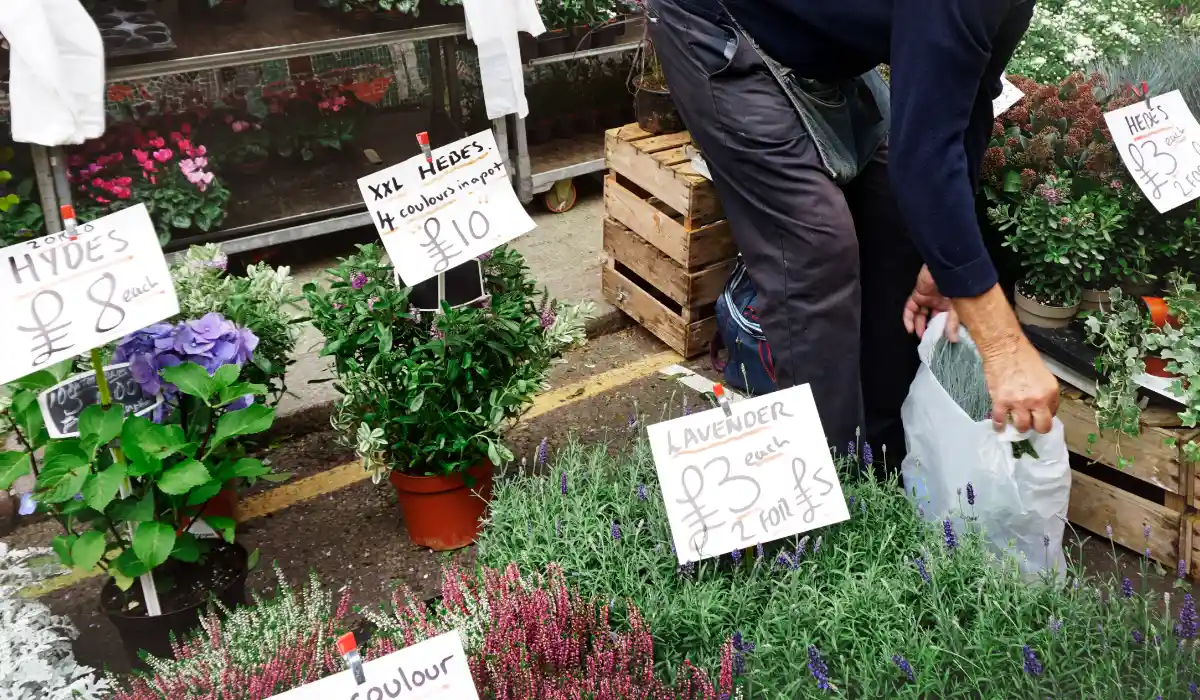
One of the most common mistakes homeowners make is starting improvements without a clear plan. Random additions can make a garden feel crowded or poorly organized.
Before deciding how to upgrade my garden, evaluate your current outdoor space and identify what needs improvement.
Consider:
- The size and shape of your garden
- Sunlight availability
- Existing plants and trees
- Drainage problems
- Storage requirements
- How you want to use the space
For example, a family garden may need a play area, while someone who enjoys entertaining may prefer a seating zone with lighting and decorative features.
Create a Garden Improvement Budget
A garden upgrade can range from affordable DIY projects to complete landscaping renovations. Setting a budget helps you prioritize the changes that provide the biggest impact.
A simple budget plan may include:
| Garden Upgrade AreaEstimated Priority | |
| Plants and greenery | High |
| Lighting improvements | Medium |
| Outdoor furniture | Medium |
| Landscaping work | High |
| Decorative features | Low to Medium |
Planning your expenses prevents overspending and helps you focus on upgrades that improve both appearance and function.
Improve Your Garden Layout and Design
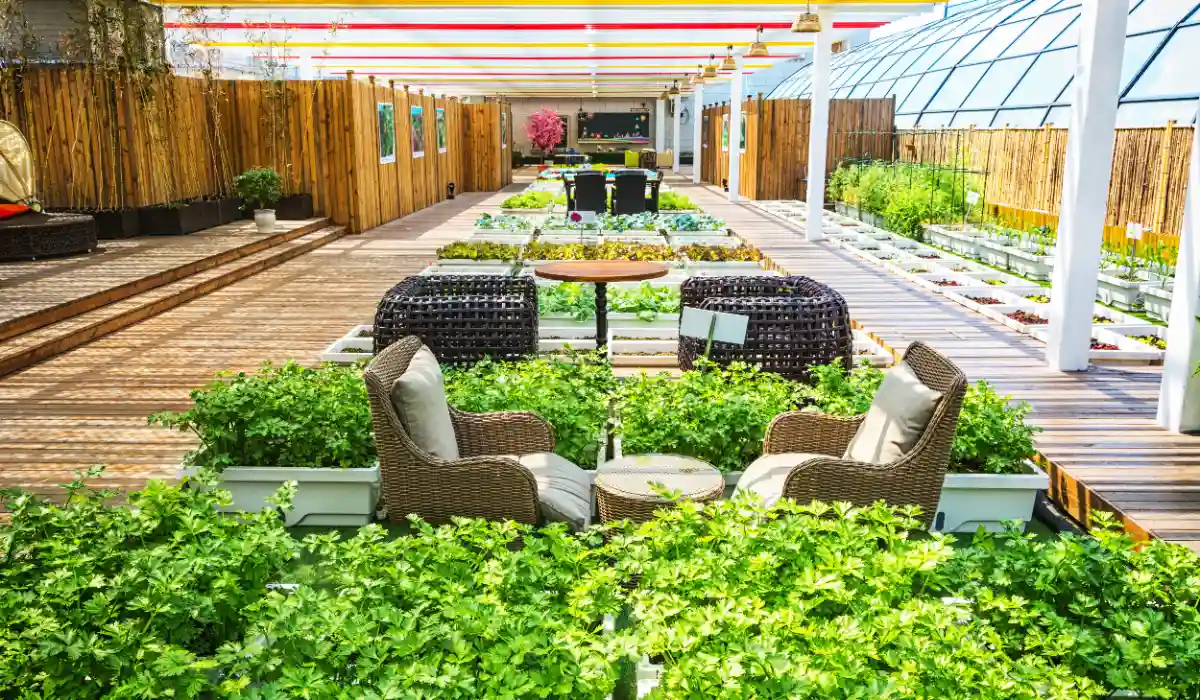
The layout is the foundation of any successful garden transformation. Even a beautiful collection of plants can look messy if the space lacks structure.
Modern garden design focuses on creating clear areas for different purposes, such as relaxing, planting, dining, or entertaining.
Create Functional Garden Zones
Dividing your garden into sections makes the space feel larger and more organized.
Popular garden zones include:
- Relaxation areas with seating
- Planting sections
- Outdoor dining spaces
- Walking paths
- Decorative corners
Adding pathways using stone, gravel, brick, or wood can guide movement through the garden while creating a professional landscaping appearance.
Use Vertical Space for Small Gardens
If you have limited outdoor space, vertical gardening is one of the best small garden upgrade ideas.
You can use:
- Wall planters
- Hanging pots
- Garden shelves
- Climbing plants
- Vertical plant frames
These solutions add greenery without reducing available floor space.
Upgrade Your Plants and Greenery
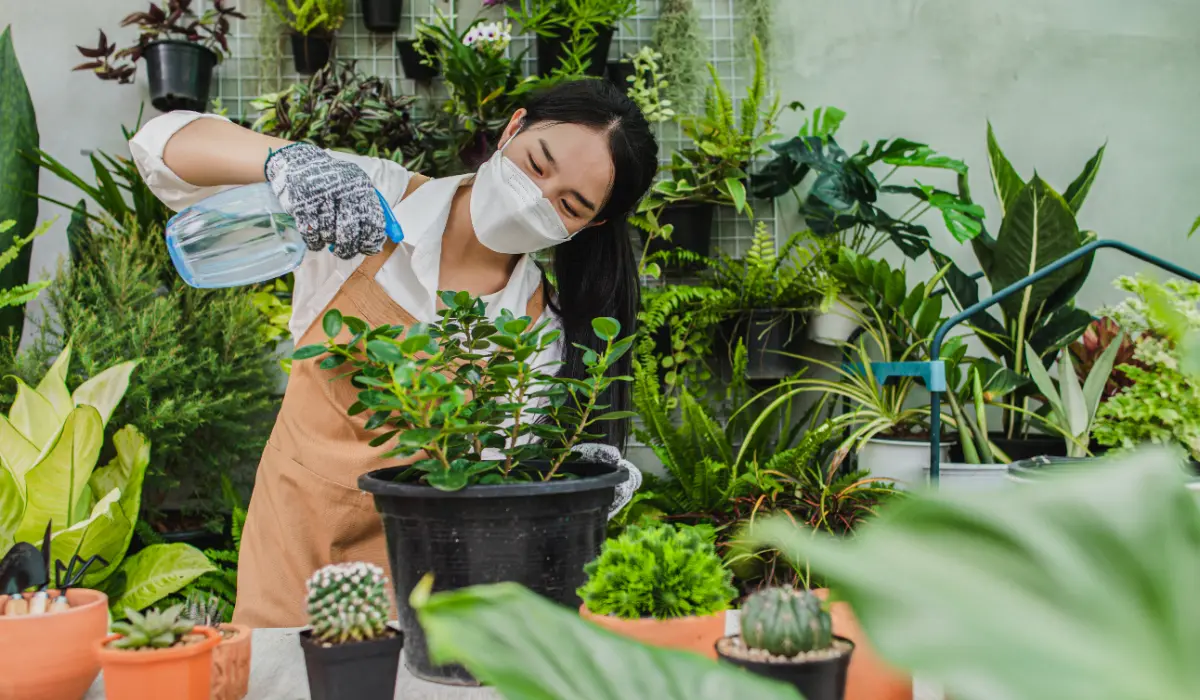
Plants are one of the most important elements when improving an outdoor space. The right plant selection can instantly make your garden look healthier and more attractive.
When choosing plants, consider your climate, maintenance requirements, and available sunlight.
Choose a Balanced Plant Combination
A visually appealing garden usually includes a mixture of:
- Flowering plants for color
- Evergreen plants for year-round greenery
- Shrubs for structure
- Ground covers for texture
- Trees for shade
Avoid adding too many plant varieties without considering how they will work together. A balanced design creates a cleaner and more natural appearance.
Add Low-Maintenance Plants
Many homeowners want beautiful gardens without spending hours on maintenance. Low-maintenance garden ideas focus on selecting plants that require less watering, trimming, and care.
Examples include:
- Native plants
- Drought-resistant plants
- Perennial flowers
- Hardy shrubs
These choices reduce maintenance while keeping your garden attractive.
Improve Your Garden With Landscaping Features
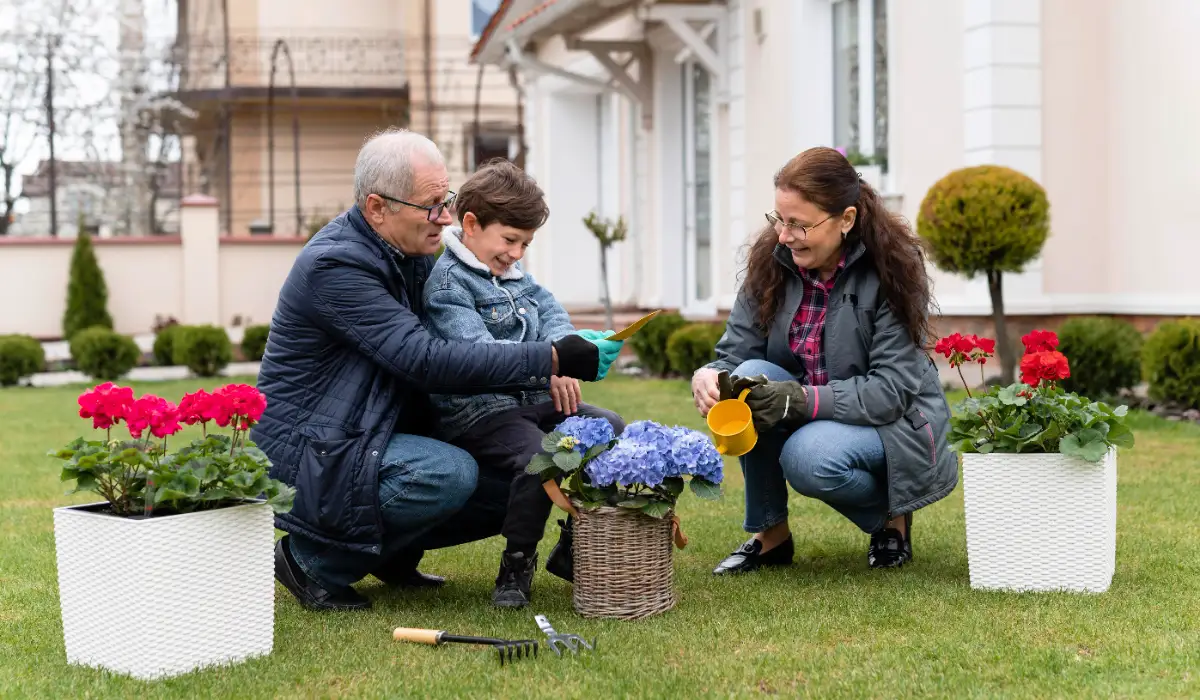
Landscaping improvements can dramatically change the appearance of an outdoor area. Even small upgrades can create a more polished look.
Some effective garden landscaping ideas include:
- Installing decorative borders
- Adding stone pathways
- Creating raised garden beds
- Improving lawn areas
- Adding natural materials
Raised beds are especially useful because they improve drainage, organize planting areas, and create visual structure.
Upgrade Garden Flooring and Pathways
The ground surface has a major impact on your garden's overall design. Old or damaged areas can make the entire space look neglected.
Consider upgrading with:
- Natural stone
- Outdoor tiles
- Gravel paths
- Wooden decking
- Decorative paving
Choose materials that match your home's style and can handle outdoor conditions.
Create an Outdoor Living Space
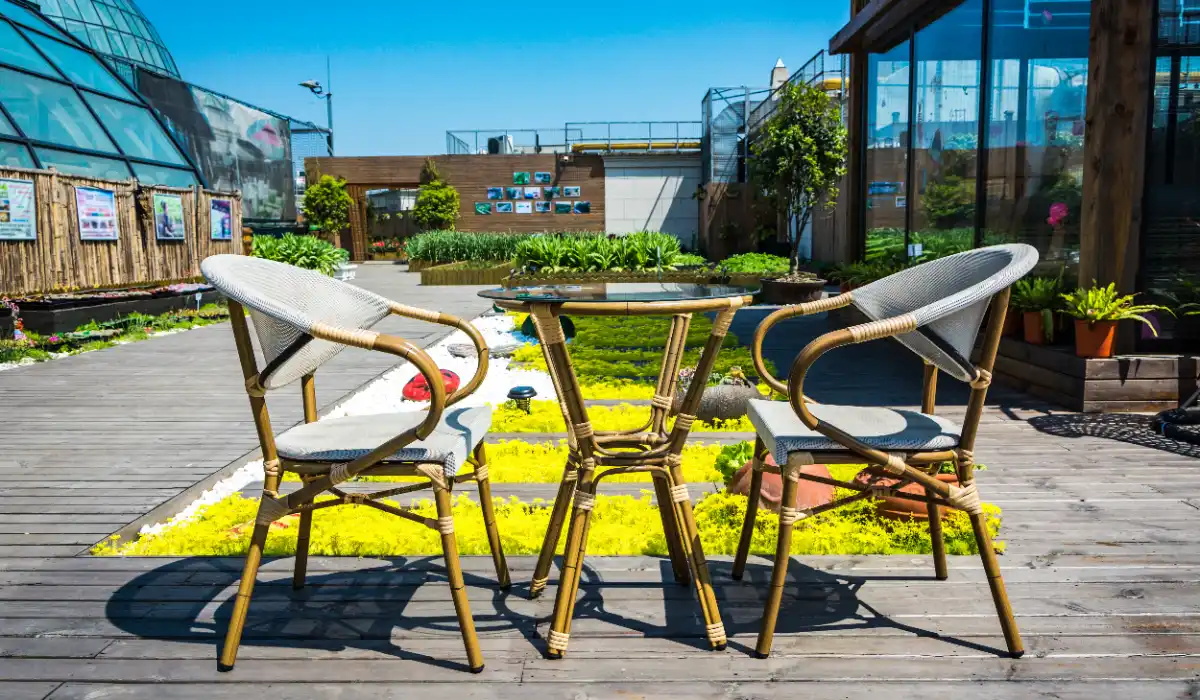
One of the best ways to improve your garden is by making it more functional. Modern homeowners are increasingly treating outdoor areas as an extension of their indoor living space.
If you are thinking about how to upgrade my garden, adding a comfortable outdoor living area can provide one of the biggest transformations. A simple seating area, dining space, or relaxation corner can turn an unused garden into a place where you spend more time.
Add Comfortable Garden Furniture
Garden furniture should match both your lifestyle and the size of your outdoor area. Large gardens may benefit from dining sets, while smaller spaces work better with compact seating solutions.
Consider adding:
- Weather-resistant chairs
- Outdoor sofas
- Garden benches
- Coffee tables
- Shade umbrellas
Choose durable materials such as treated wood, metal, or weather-resistant outdoor fabrics to ensure your furniture lasts longer.
Build a Relaxation or Entertainment Area
A garden can become a peaceful retreat by creating a dedicated relaxation zone. Adding comfortable seating, decorative elements, and privacy features can make your outdoor area feel more inviting.
Popular ideas include:
- A small outdoor lounge
- Fire pit area
- Garden reading corner
- Outdoor dining setup
- Pergola or shade structure
These improvements increase the usability of your garden throughout different seasons.
Upgrade Your Garden Lighting
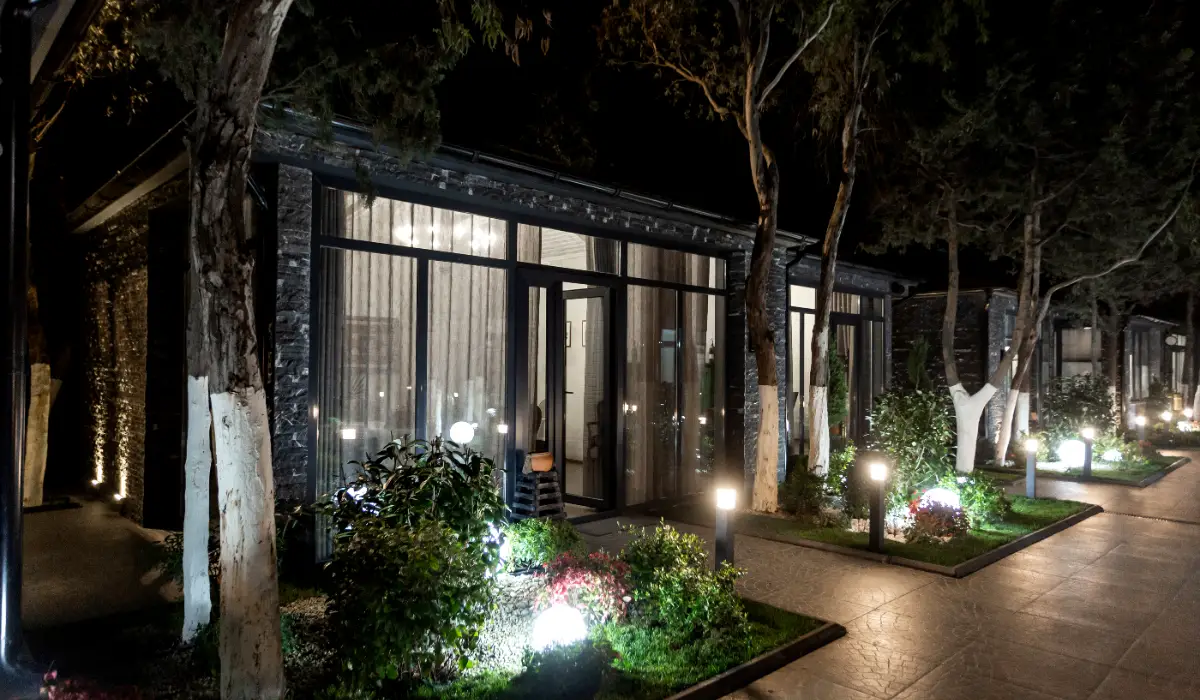
Lighting is often overlooked, but it can completely change the appearance of an outdoor space. Good lighting improves safety while adding atmosphere and style.
When planning how to upgrade my garden, outdoor lighting should be part of your design because it allows you to enjoy your garden after sunset.
Use Different Types of Garden Lights
A layered lighting approach creates a more professional look.
You can combine:
| Lighting TypePurpose | |
| Path lights | Improve safety and guide movement |
| Spotlights | Highlight trees, plants, or features |
| String lights | Add decorative atmosphere |
| Solar lights | Provide affordable energy-efficient lighting |
Solar-powered lights are a popular choice because they are easy to install and require minimal maintenance.
Highlight Garden Features
Instead of lighting every area equally, focus on important features such as:
- Beautiful plants
- Water features
- Seating areas
- Pathways
- Architectural elements
Strategic lighting creates depth and makes your garden look more attractive at night.
Add Privacy Features to Your Garden
Privacy is an important factor in creating a comfortable outdoor environment. Many homeowners avoid using their gardens because they feel exposed to neighbors or nearby properties.
Adding privacy solutions can make your outdoor area feel more personal and relaxing.
Natural Privacy Solutions
Plants can provide an attractive alternative to traditional fences.
Options include:
- Tall shrubs
- Evergreen trees
- Climbing plants
- Bamboo screens
These solutions improve privacy while adding greenery to your garden.
Decorative Privacy Options
Other options include:
- Wooden screens
- Outdoor curtains
- Trellis panels
- Decorative fencing
Choose designs that match your garden style instead of creating a closed-off feeling.
Improve Your Garden With Water Features
Water features can add a relaxing atmosphere and create a strong visual focal point. They do not always require a large budget or a large garden area.
Small options include:
- Decorative fountains
- Container ponds
- Wall water features
- Small waterfalls
The sound of moving water can create a calmer outdoor environment while improving the overall garden experience.
Include Sustainable Garden Improvements
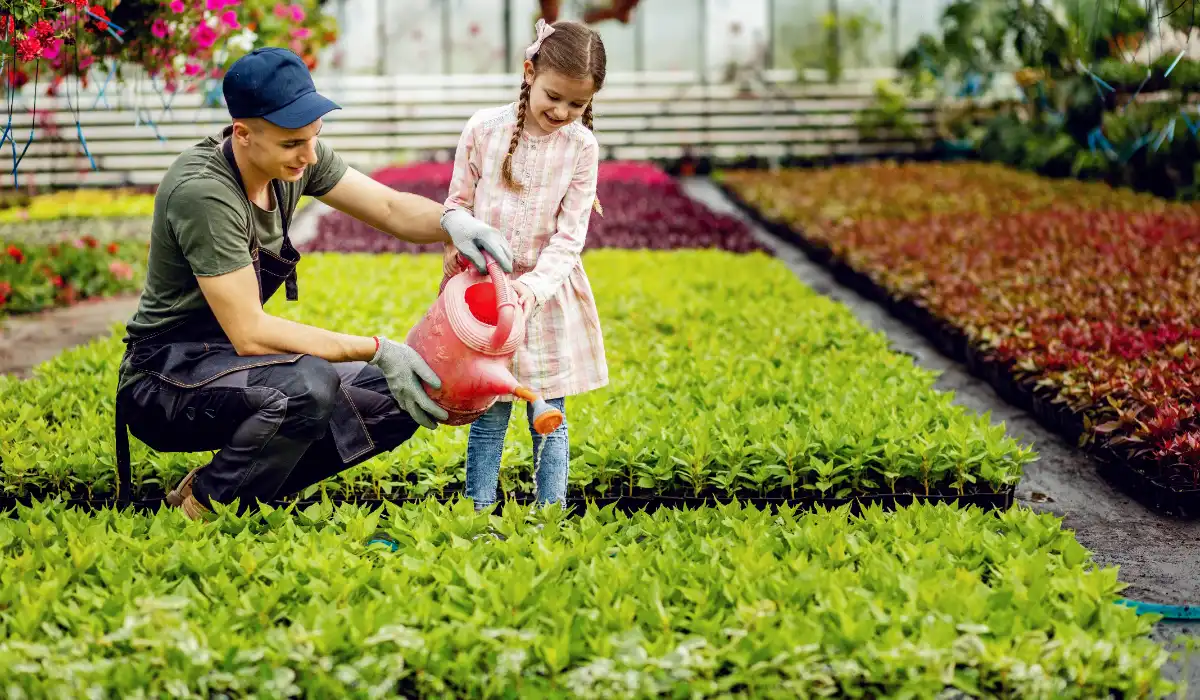
Sustainable garden design focuses on reducing waste, saving resources, and creating a healthier environment.
Eco-friendly upgrades are becoming increasingly popular because they reduce maintenance costs and support local ecosystems.
Add Water-Saving Solutions
Efficient watering methods can improve plant health while reducing water usage.
Helpful options include:
- Drip irrigation systems
- Rainwater collection
- Mulching
- Drought-resistant plants
These improvements are especially useful in areas where water conservation is important.
Create a Wildlife-Friendly Garden
A garden can support birds, butterflies, and beneficial insects by including suitable plants and natural features.
Consider adding:
- Native flowers
- Bird feeders
- Pollinator plants
- Small habitat areas
This creates a more balanced and lively outdoor environment.
Affordable Garden Upgrade Ideas on a Budget
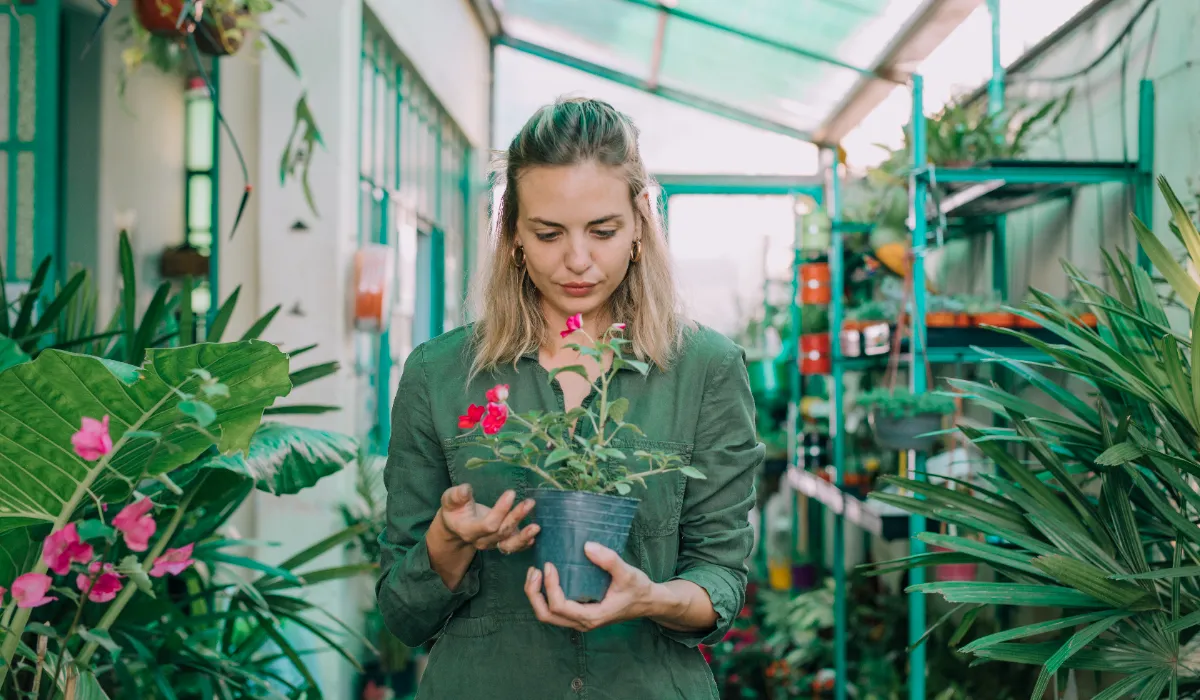
A garden transformation does not always require expensive landscaping projects. Many improvements can be completed with simple changes that create a noticeable difference.
Some affordable garden upgrades include:
- Repainting fences
- Adding new plant containers
- Installing solar lighting
- Creating DIY garden paths
- Refreshing soil and mulch
- Rearranging existing plants
Small improvements can have a significant visual impact when they are planned properly.
DIY Garden Improvements
DIY projects allow homeowners to personalize their outdoor spaces while controlling costs.
Popular projects include:
- Building planter boxes
- Creating decorative garden signs
- Making compost areas
- Installing simple seating
- Creating vertical gardens
However, larger projects involving drainage, electrical work, or major landscaping may require professional assistance.
Common Garden Upgrade Mistakes to Avoid

While improving your garden, avoiding common mistakes can save time and money.
Ignoring Maintenance Requirements
A beautiful garden design may become difficult to manage if it requires too much daily care.
Before adding plants or features, consider:
- Water requirements
- Seasonal maintenance
- Cleaning needs
- Available time
A practical garden should remain attractive without becoming a burden.
Adding Too Many Features
A common mistake is trying to include every possible garden trend. Too many decorations, plants, and structures can make the space feel crowded.
A better approach is to focus on a few improvements that match your lifestyle.
Pros and Cons of Upgrading Your Garden
| Pros Cons | |
| Improves home appearance | Requires planning and investment |
| Creates additional outdoor space | Some features need regular maintenance |
| Increases property appeal | Landscaping projects can take time |
| Provides a relaxing environment | Poor planning can increase costs |
| Supports healthier outdoor living | Plants require ongoing care |
Modern Garden Upgrade Trends
Garden design continues to evolve with new ideas focused on comfort, sustainability, and smart technology.
Some current trends include:
- Outdoor kitchens
- Smart irrigation systems
- Minimalist landscaping
- Native plant gardens
- Multi-purpose outdoor spaces
- Eco-friendly materials
These trends focus on creating gardens that are attractive but also practical for everyday use.
How Much Does a Garden Upgrade Cost?
The cost of improving your garden depends on the size of the space, materials used, and the type of changes you want to make.
A basic refresh may involve plants, lighting, and small decorative updates, while a complete garden renovation may include landscaping, construction, and outdoor structures.
Factors affecting cost include:
- Garden size
- Material choices
- Professional services
- Plant selection
- Structural additions
Creating a clear plan before starting helps control expenses.
Frequently Asked Questions
How can I upgrade my garden on a small budget?
You can improve your garden affordably by adding new plants, improving lighting, refreshing pathways, repainting outdoor structures, and creating simple DIY features.
What is the easiest way to make my garden look better?
The easiest improvements include cleaning the space, adding colorful plants, improving lighting, and organizing areas with clear garden design ideas.
How can I modernize my garden?
Modern gardens often use simple layouts, outdoor furniture, smart lighting, sustainable plants, and clean landscaping features.
What plants are best for a low-maintenance garden?
Low-maintenance gardens usually benefit from native plants, evergreen shrubs, drought-resistant plants, and perennials that require less care.
Is landscaping necessary for a garden upgrade?
Landscaping is not always required, but improving layout, pathways, and planting areas can significantly enhance the appearance and functionality of your garden.
Conclusion
Learning how to upgrade my garden starts with understanding your space, identifying your goals, and choosing improvements that provide long-term value. A successful garden transformation does not depend on expensive features but on thoughtful planning, practical design, and the right combination of plants, lighting, furniture, and landscaping elements.
Whether you want a relaxing backyard retreat, a modern outdoor living area, or a low-maintenance garden, small improvements can create a noticeable change. By focusing on comfort, functionality, and sustainable choices, you can turn your outdoor space into a beautiful part of your home.

