
Giant Dandelion Plant Guide: Growth, Uses and Benefits

Introduction
The giant dandelion plant is becoming increasingly popular among gardeners who appreciate edible landscaping and sustainable gardening methods. While many people recognize dandelions as common lawn weeds, larger cultivated forms can provide impressive foliage, stronger root systems, and greater productivity. These oversized plants are valued for their nutritional content, environmental benefits, and ability to thrive in diverse growing conditions.
Growing a giant dandelion plant can provide a continuous source of edible greens, pollinator-friendly flowers, and useful roots. Whether you are creating a wildlife garden, food forest, or home vegetable plot, this versatile perennial can become one of the most productive plants in your landscape. In these article we are shareing of complete data for how to upgrade my garden and giant dandelion plant growings tips.
Understanding the Giant Dandelion Plant
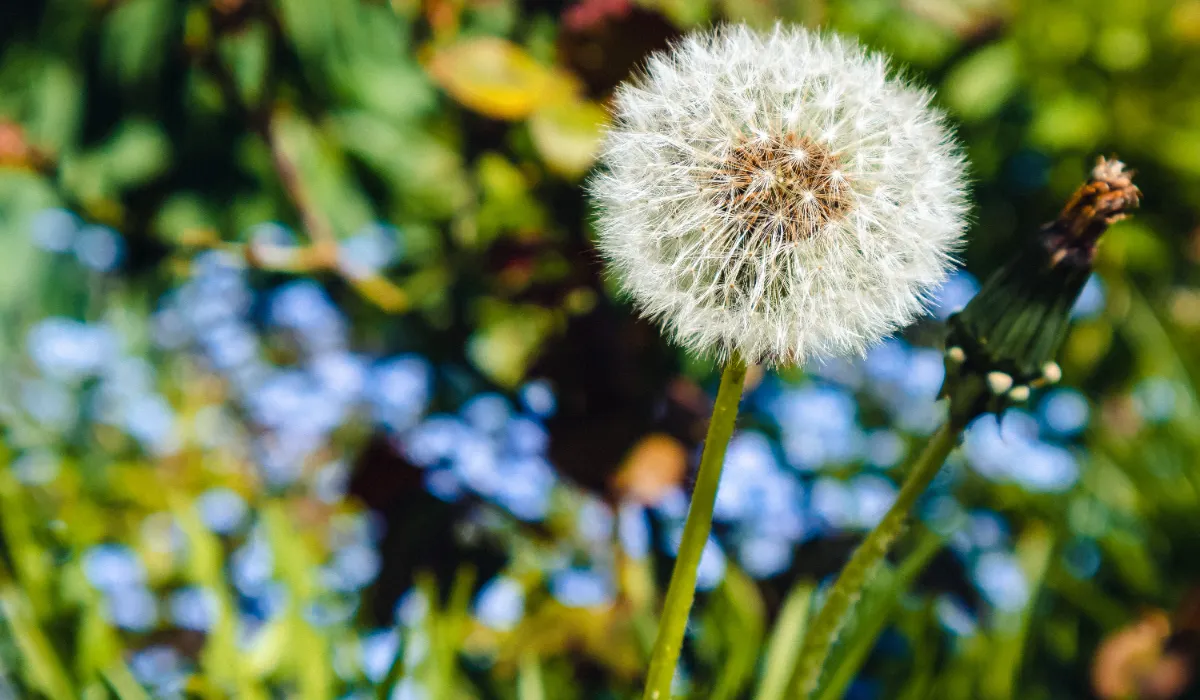
A giant dandelion plant is essentially an enhanced version of the traditional dandelion. Through selective cultivation and ideal growing conditions, some plants develop significantly larger leaves and thicker roots than their wild counterparts.
Unlike standard dandelions that remain relatively compact, giant varieties can create large rosettes of foliage that dominate garden beds. Their vigorous growth makes them highly desirable for gardeners seeking maximum yield from a small area.
Botanical Overview
| CharacteristicGiant Dandelion Plant | |
| Scientific Name | Taraxacum officinale |
| Plant Type | Herbaceous Perennial |
| Family | Asteraceae |
| Sun Requirement | Full Sun to Partial Shade |
| Lifespan | Multiple Years |
| Edible Parts | Leaves, Flowers, Roots |
Why the Giant Dandelion Plant Stands Out
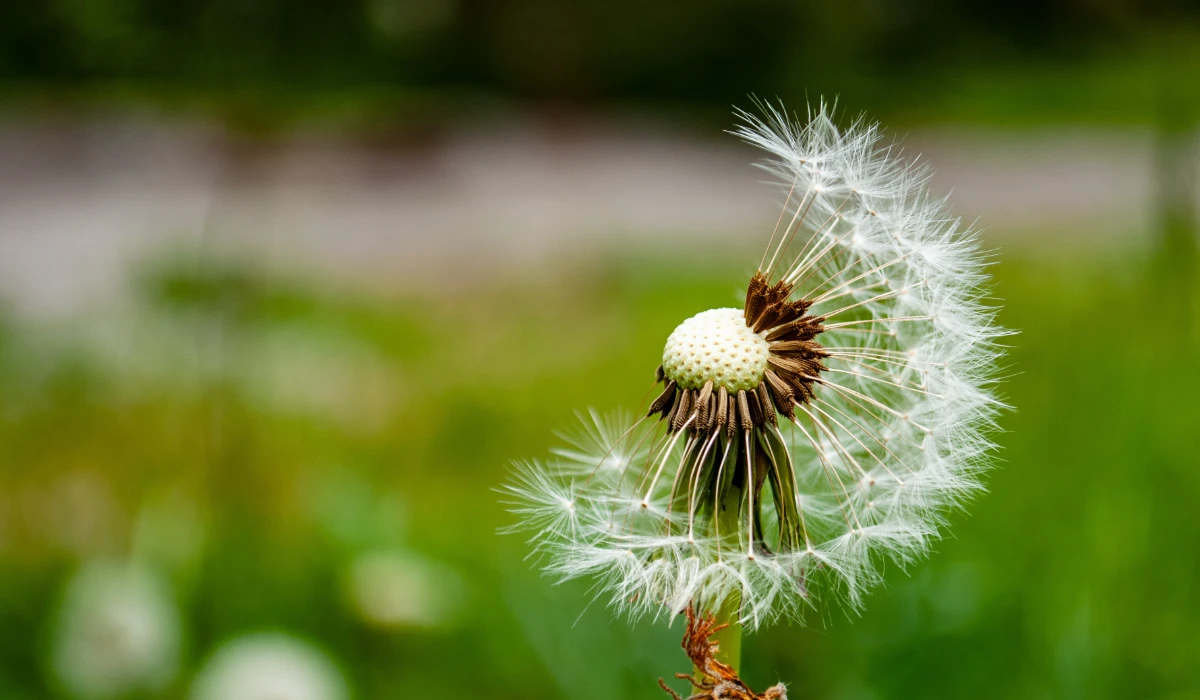
Most garden crops require constant attention, fertilization, and pest control. In contrast, the giant dandelion plant is naturally resilient and adapts well to different soil conditions.
The plant’s extensive root system allows it to access moisture and nutrients deep underground. This ability helps it survive dry periods while improving soil structure around neighboring plants.
Giant Dandelion Like Plant Species
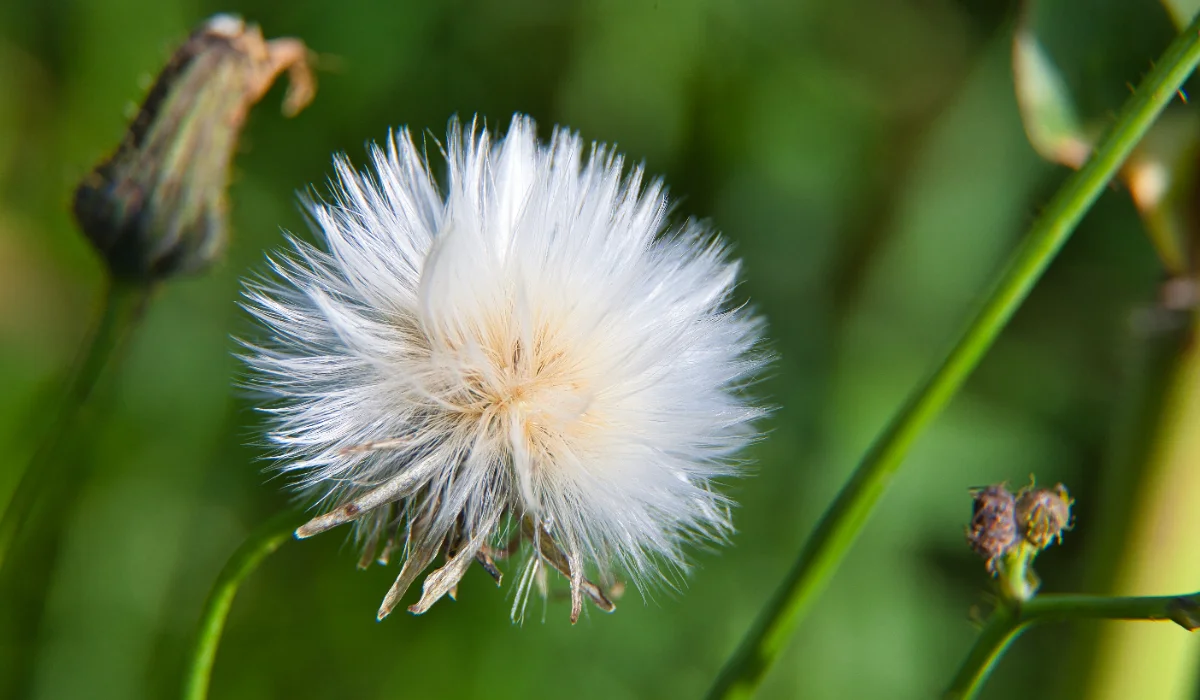
Many gardeners searching for a giant dandelion like plant discover several fascinating species that resemble dandelions but belong to different botanical groups.
These plants often share similar flower structures, leaf shapes, or growth habits while offering unique ornamental value. They are excellent choices for gardeners seeking unusual architectural plants.
Popular Giant Dandelion Like Plant Options
Sonchus palmensis
Native to the Canary Islands, this impressive species develops tall stems topped with clusters of yellow blooms. Its appearance often reminds gardeners of a giant tree-form dandelion.
Sow Thistle
Sow thistle produces bright yellow flowers and leafy stems. Although often mistaken for dandelions, it grows taller and develops branching growth.
Wild Lettuce
Wild lettuce is another giant dandelion like plant that produces yellow flowers and can reach substantial heights in favorable conditions.
Key Features of a Giant Dandelion Plant
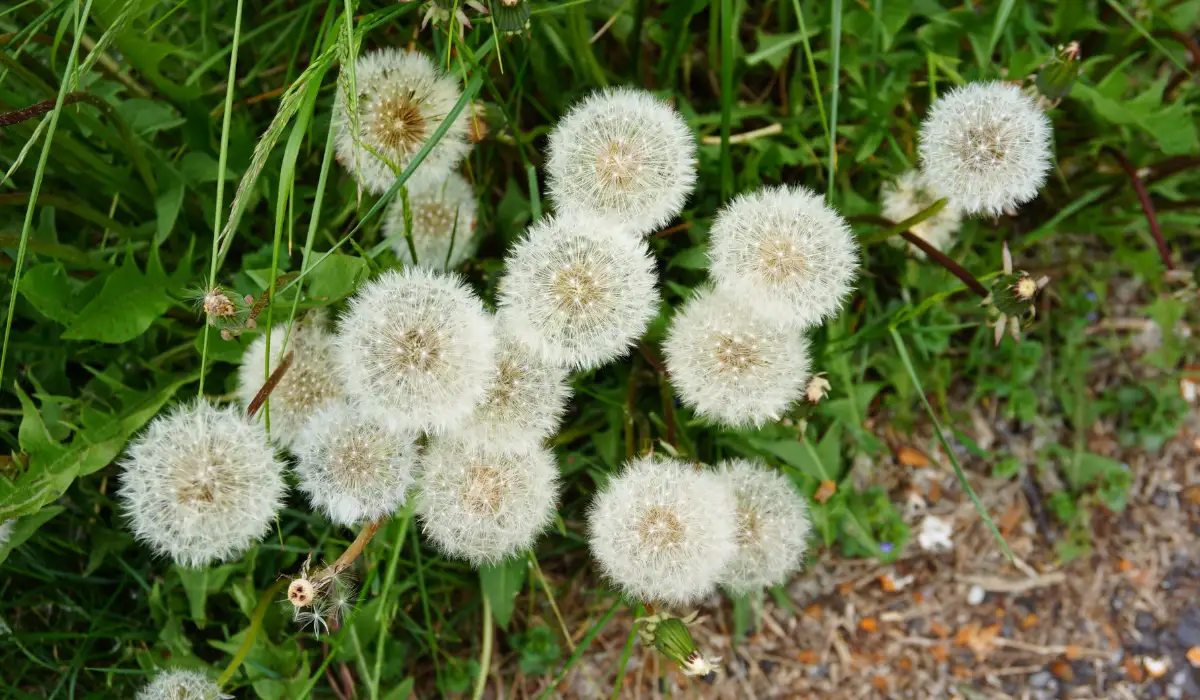
The most obvious characteristic of a giant dandelion plant is its size. Larger leaves provide more harvestable material while deeper roots contribute to improved nutrient uptake.
The bright flowers attract pollinators throughout the growing season. After flowering, fluffy seed heads create a striking visual display in the garden.
Distinctive Traits
- Large leaf rosettes
- Strong taproot system
- Bright yellow flowers
- High biomass production
- Excellent adaptability
Nutritional Benefits
One reason gardeners intentionally grow a giant dandelion plant is its exceptional nutritional profile. The leaves contain important vitamins and minerals while remaining low in calories.
Compared to many common salad greens, dandelion foliage offers impressive levels of calcium, potassium, iron, and antioxidants. These nutrients contribute to overall health and wellness.
Nutritional Comparison
| Nutrient | Benefit |
| Calcium | Supports healthy bones |
| Iron | Helps oxygen circulation |
| Potassium | Supports heart health |
| Vitamin A | Promotes eye health |
| Vitamin C | Supports immunity |
| Vitamin K | Assists blood clotting |
Growing Conditions for Maximum Size

To develop a thriving giant dandelion plant, gardeners should focus on creating favorable growing conditions. Although dandelions tolerate poor environments, ideal conditions encourage larger growth.
Rich soil, adequate moisture, and proper spacing allow plants to reach their full potential. Consistent care results in bigger leaves and stronger root systems.
Best Growing Environment
Soil Quality
Loose, fertile soil encourages deep root development and vigorous foliage production.
Sunlight Exposure
Full sun promotes strong growth, although partial shade can produce more tender leaves.
Moisture Levels
Regular watering supports continuous leaf production and prevents excessive bitterness.
How to Grow Giant Dandelion Plants from Seed
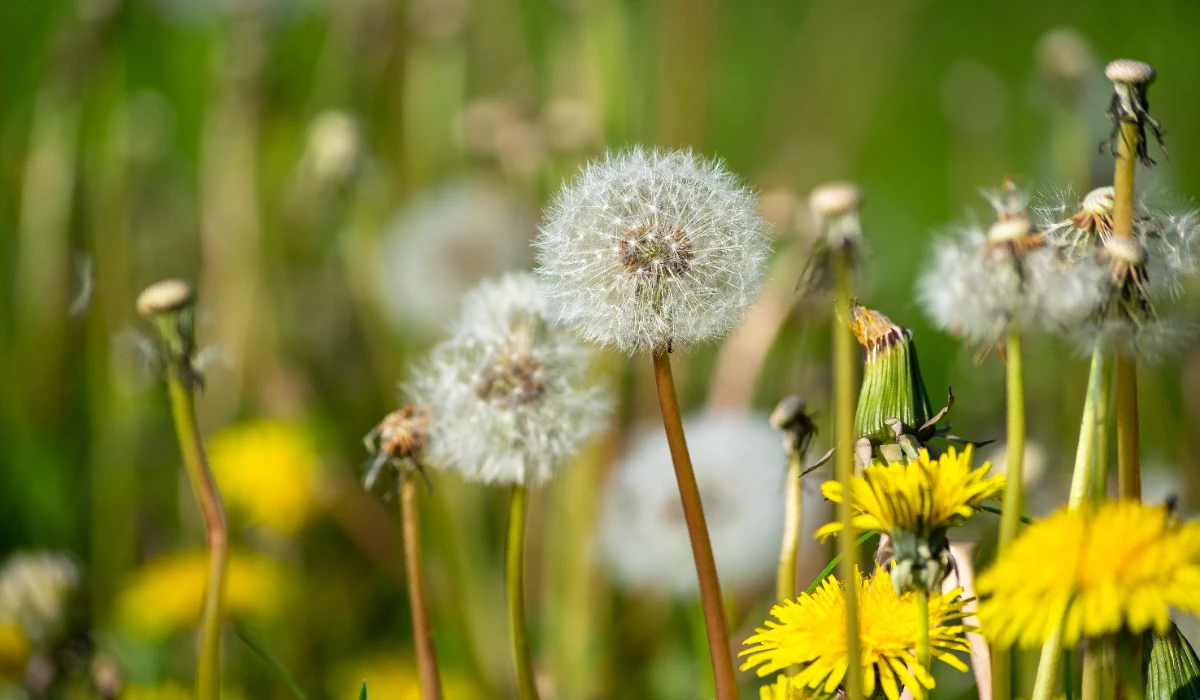
Starting a giant dandelion plant from seed is straightforward. Seeds germinate quickly and require very little maintenance during establishment.
Because dandelion seeds need light to sprout, they should only be lightly covered with soil. Consistent moisture improves germination rates and seedling vigor.
Planting Process
- Prepare nutrient-rich soil.
- Scatter seeds evenly.
- Press seeds gently into the soil surface.
- Water carefully.
- Maintain even moisture.
- Thin overcrowded seedlings.
Caring for Your Plants
A mature giant dandelion plant generally requires minimal maintenance. However, a few simple practices can increase productivity and improve overall plant health.
Applying compost annually provides additional nutrients while mulching helps retain moisture during hot weather.
Seasonal Care Tips
| Season | Recommended Task |
| Spring | Plant and fertilize |
| Summer | Water regularly |
| Fall | Harvest roots |
| Winter | Apply mulch if needed |
Harvesting Leaves, Flowers, and Roots
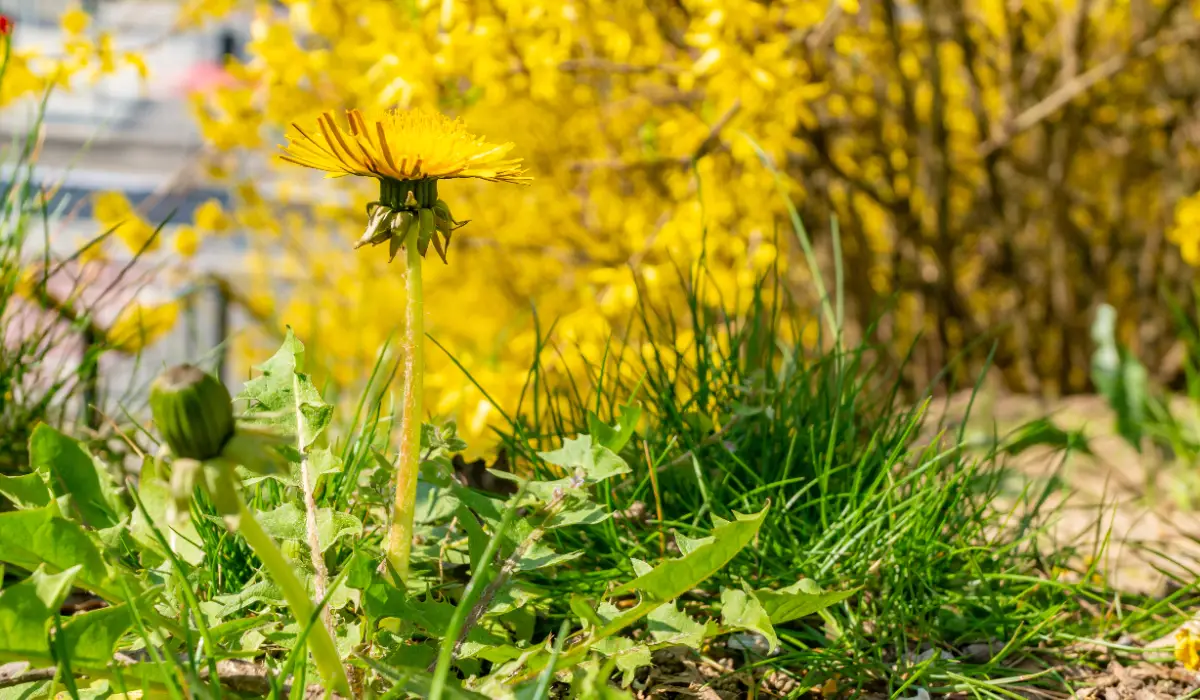
The versatility of the giant dandelion plant comes from its multiple edible components. Nearly every part of the plant can be harvested and used.
Young leaves are prized for fresh salads, while flowers are commonly used in teas and homemade syrups. Mature roots are often roasted as a caffeine-free beverage alternative.
Best Harvest Times
Young Leaves
Harvest before flowering for the mildest flavor and best texture.
Flowers
Collect freshly opened blooms during dry weather for culinary use.
Roots
Dig roots during autumn when energy reserves are concentrated underground.
Garden Benefits Beyond Food Production

A giant dandelion plant contributes more than edible harvests. Its ecological value makes it useful in sustainable landscapes and wildlife gardens.
The flowers provide nectar and pollen for bees, butterflies, and beneficial insects. Meanwhile, the roots improve soil aeration and nutrient cycling.
Environmental Advantages
- Supports pollinators
- Improves soil structure
- Reduces erosion
- Produces organic matter
- Encourages biodiversity
Common Challenges
Although the giant dandelion plant is remarkably resilient, some challenges may arise. Poor soil fertility, prolonged drought, and overcrowding can reduce growth potential.
Fortunately, most issues are easy to correct through better soil management and consistent watering practices.
Troubleshooting Table
| Problem | Possible Cause | Solution |
| Small leaves | Poor soil | Add compost |
| Bitter foliage | Heat stress | Water consistently |
| Slow growth | Lack of sunlight | Increase exposure |
| Weak roots | Compacted soil | Loosen soil |
Pros and Cons of Growing Giant Dandelions
| Pros | Cons |
| Easy to grow | Can self-seed |
| Highly nutritious | Mature leaves may be bitter |
| Pollinator friendly | Not ideal for formal lawns |
| Soil improving | Requires occasional control |
| Multi-purpose plant | May spread if unmanaged |
Using Giant Dandelions in Permaculture
Permaculture systems prioritize plants that perform multiple functions. The giant dandelion plant excels in this role by providing food, pollinator support, and soil improvement simultaneously.
Its deep roots recycle nutrients while its flowers attract beneficial insects. This combination makes it valuable for regenerative gardening systems.
What Most Articles Overlook
Many resources discuss dandelions as weeds or edible greens but rarely explore their role in soil regeneration. The giant dandelion plant acts as a nutrient accumulator, drawing minerals from deep underground and redistributing them throughout the garden ecosystem.
Another overlooked aspect is livestock feeding potential. Chickens, rabbits, and other animals readily consume dandelion foliage, making these plants useful in small-scale homesteads and sustainable food systems.
Frequently Asked Questions
What is a giant dandelion plant?
A giant dandelion plant is a larger-growing form of the common dandelion that develops bigger leaves, deeper roots, and greater overall productivity.
Is a giant dandelion plant edible?
Yes. The leaves, flowers, and roots are all edible and widely used in cooking and herbal preparations.
What is a giant dandelion like plant?
A giant dandelion like plant refers to species such as Sonchus palmensis or sow thistle that resemble dandelions in appearance but belong to different plant groups.
How tall can giant dandelions grow?
Leaf rosettes can become significantly larger than ordinary dandelions, and some related species can reach several feet in height.
Do giant dandelions attract bees?
Yes. Their flowers provide valuable nectar and pollen for bees and other pollinating insects.
Can giant dandelions improve garden soil?
Absolutely. Their deep taproots help break compacted soil and bring nutrients closer to the surface.
Conclusion
The giant dandelion plant is a productive, nutrient-rich, and environmentally beneficial perennial that deserves more attention from modern gardeners. Its edible leaves, vibrant flowers, and powerful root system make it valuable for sustainable landscapes, edible gardens, and permaculture projects. Whether you are interested in nutrition, pollinator support, or soil improvement, adding a giant dandelion plant to your garden can provide lasting rewards while creating a healthier and more diverse growing environment.

