
Agriculture Food and Natural Resources: Complete Guide

Introduction
The concept of agriculture food and natural resources is central to how societies produce food, manage land, and sustain environmental balance. It includes everything from crop cultivation and livestock farming to forestry, water management, and food processing systems.
Today, agriculture food and natural resources play a critical role in ensuring food security while also protecting ecosystems from degradation. As global demand for food increases, the pressure on natural systems continues to grow.
Understanding agriculture food and natural resources helps us explore how modern practices can balance productivity with sustainability. This includes improving farming methods, reducing environmental damage, and supporting long-term resource conservation.
What is Agriculture Food and Natural Resources?

Agriculture food and natural resources refers to the integrated system of producing food, fiber, and managing natural ecosystems. It connects farming, environmental science, food processing, and resource conservation.
This field is not limited to farming alone. It also includes food supply chains, agribusiness systems, environmental protection, and sustainable land use practices.
At its core, agriculture food and natural resources focuses on balancing human needs with the planet’s ability to regenerate its resources.
Key Components of Agriculture Food and Natural Resources
Agricultural Production Systems
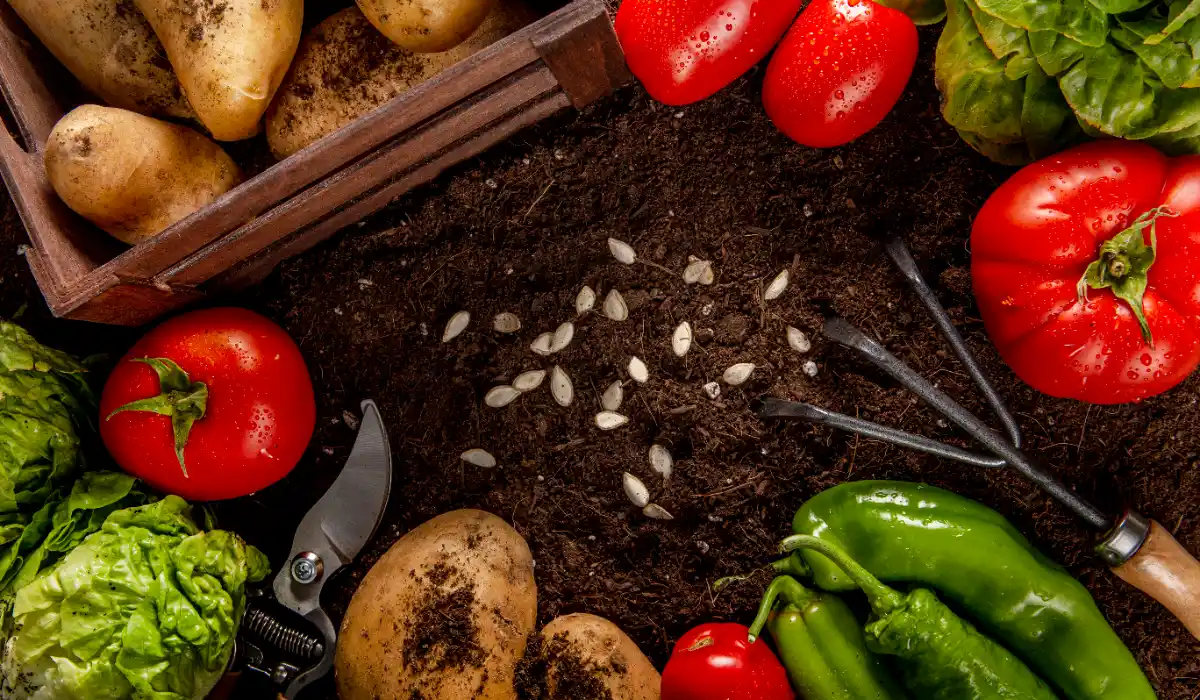
Agricultural production is the foundation of agriculture food and natural resources. It includes crop farming, horticulture, and livestock production.
Modern agriculture relies on improved seeds, irrigation systems, and mechanized tools to increase yield. However, sustainability is becoming more important than ever.
Efficient production systems ensure that agriculture food and natural resources remain productive without degrading soil or water quality.
Food Systems and Supply Chains
Food systems are an essential part of agriculture food and natural resources. They include harvesting, processing, packaging, distribution, and consumption.
A strong food system reduces waste and ensures food reaches consumers efficiently. Poorly managed systems can lead to significant food loss and environmental strain.
Improving food supply chains is a key step toward strengthening agriculture food and natural resources globally.
Natural Resource Management
Natural resource management is the backbone of agriculture food and natural resources. It focuses on conserving soil, water, forests, and biodiversity.
Overuse of resources can lead to land degradation, water scarcity, and ecosystem imbalance. Sustainable management practices help maintain long-term productivity.
Protecting natural ecosystems ensures the future stability of agriculture food and natural resources.
Importance of Agriculture Food and Natural Resources
Food Security
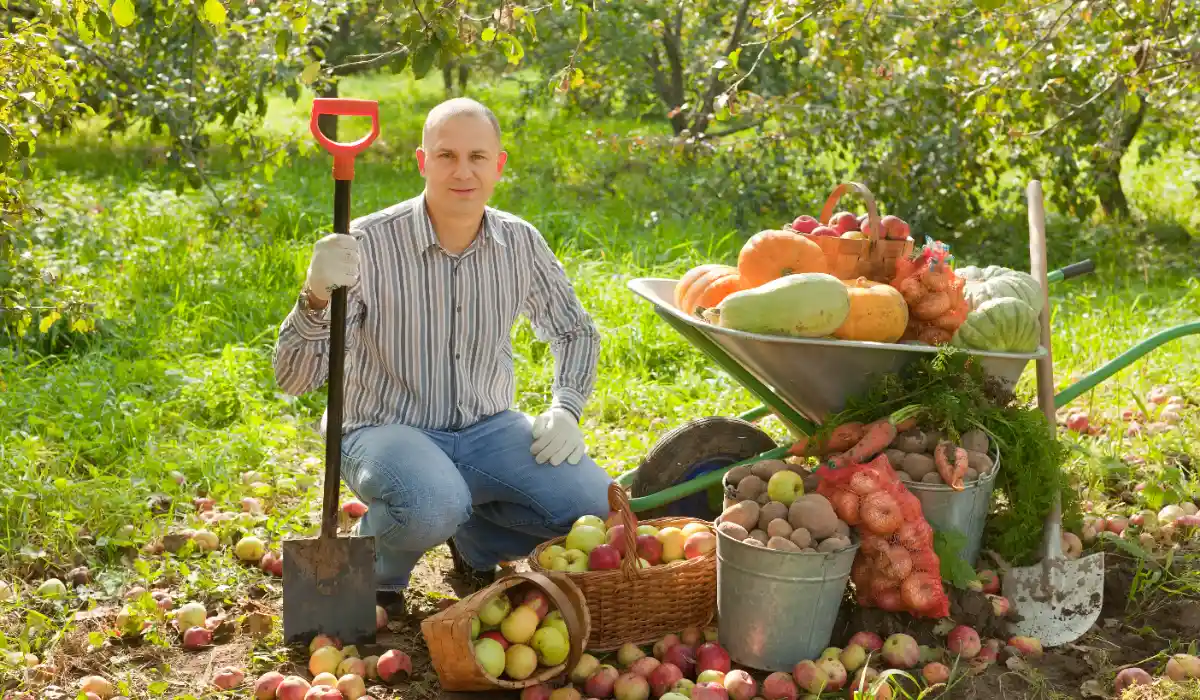
One of the main goals of agriculture food and natural resources is to ensure food security for growing populations.
Efficient agricultural systems produce enough food while reducing hunger and malnutrition. This is especially important in developing regions where resources are limited.
Without strong agriculture food and natural resources, global food systems would struggle to meet demand.
Environmental Protection
Agriculture food and natural resources also play a major role in environmental conservation. Sustainable farming reduces pollution, soil erosion, and greenhouse gas emissions.
Practices like crop rotation, organic farming, and agroforestry help protect ecosystems.
This balance between production and conservation is essential for the future of agriculture food and natural resources.
Economic Development
Agriculture contributes significantly to national economies. The agriculture food and natural resources sector provides employment, raw materials, and export opportunities.
Industries such as textiles, food processing, and dairy rely heavily on agricultural inputs.
A strong agricultural system strengthens the entire economy linked to agriculture food and natural resources.
Sustainable Practices in Agriculture Food and Natural Resources
Climate-Smart Agriculture
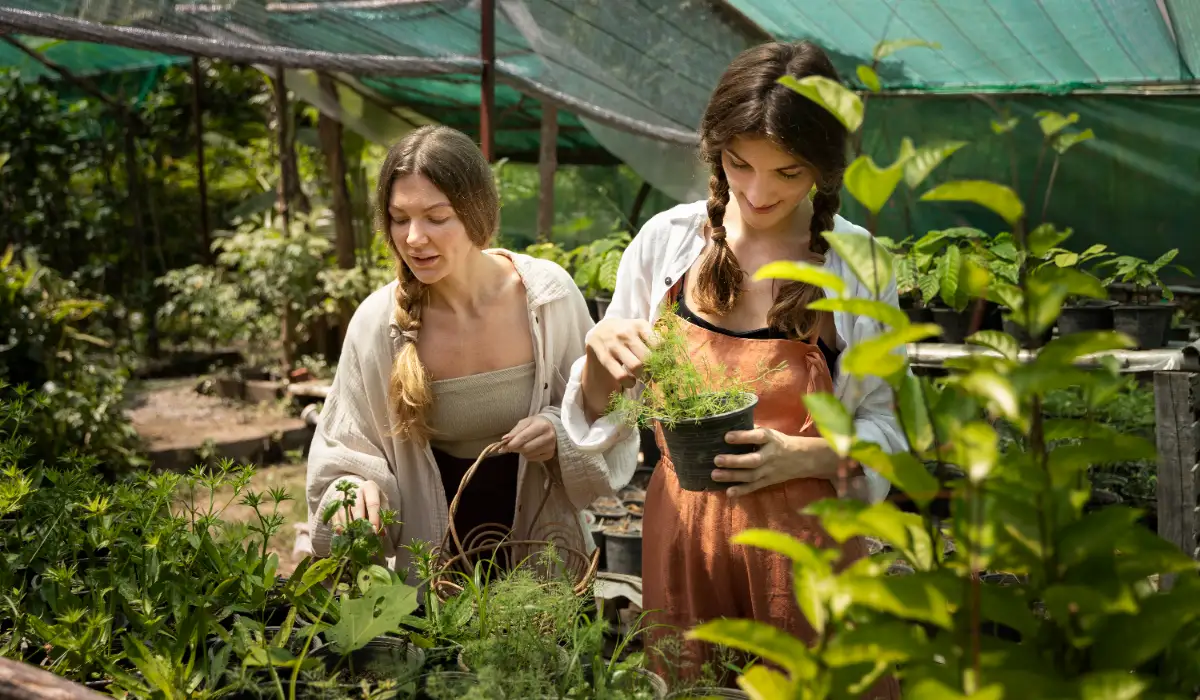
Climate-smart farming is a modern approach within agriculture food and natural resources that adapts to climate change.
It includes drought-resistant crops, efficient irrigation, and reduced chemical use.
These practices help farmers maintain productivity while protecting the environment.
Water Conservation Techniques
Water is one of the most critical elements in agriculture food and natural resources.
Techniques such as drip irrigation, rainwater harvesting, and smart irrigation systems reduce water waste.
Efficient water use ensures long-term sustainability of agricultural systems.
Soil Health Management
Healthy soil is essential for productive agriculture food and natural resources systems.
Practices like composting, cover cropping, and reduced tillage improve soil fertility.
Maintaining soil health ensures higher crop yields and environmental balance.
Technology in Agriculture Food and Natural Resources
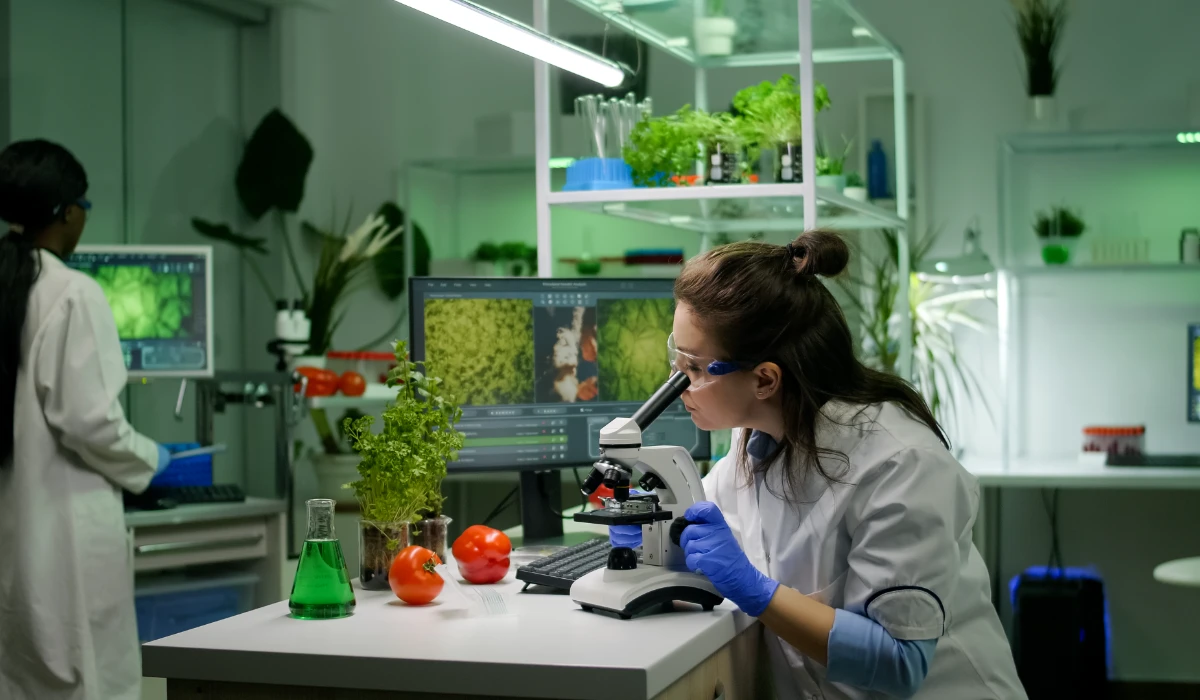
Modern technology is transforming agriculture food and natural resources.
Precision agriculture uses GPS, sensors, and data analytics to optimize farming operations.
Drones and AI help monitor crop health, predict yields, and reduce resource waste.
These innovations make agriculture food and natural resources more efficient and sustainable.
Career Opportunities in Agriculture Food and Natural Resources

The field of agriculture food and natural resources offers diverse career paths.
Some major areas include:
- Agribusiness management
- Environmental science
- Food processing technology
- Forestry management
- Soil and water conservation
- Agricultural engineering
These careers support the growth and sustainability of agriculture food and natural resources globally.
Challenges Facing Agriculture Food and Natural Resources
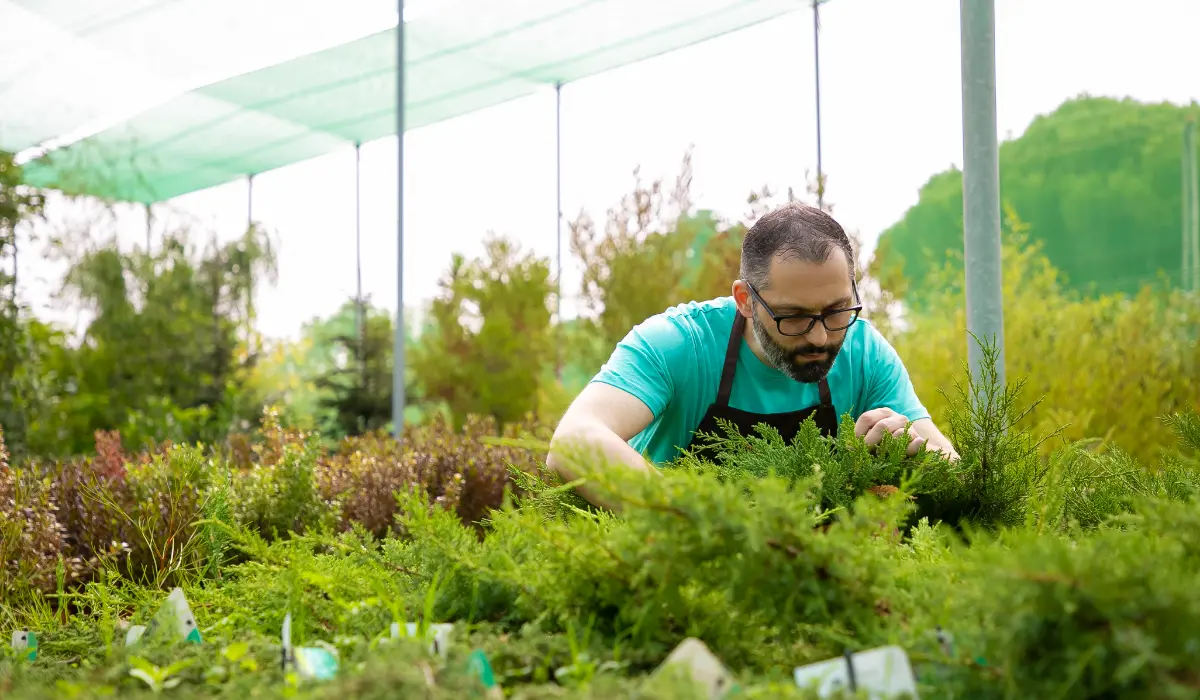
Despite its importance, agriculture food and natural resources face several challenges.
Climate change, water scarcity, soil degradation, and biodiversity loss are major concerns.
Additionally, inefficient farming practices and food waste reduce system efficiency.
Addressing these challenges is essential for the future of agriculture food and natural resources.
Infographic Style Summary
Key Focus Areas of Agriculture Food and Natural Resources:
- Food Production Systems
- Natural Resource Conservation
- Sustainable Farming Practices
- Food Supply Chains
- Environmental Protection
- Agricultural Technology
These areas collectively strengthen agriculture food and natural resources systems worldwide.
FAQ Section
What does agriculture food and natural resources mean?
It refers to the combined system of farming, food production, and natural resource management aimed at sustainability.
Why is agriculture food and natural resources important?
It ensures food security, supports economies, and protects environmental systems.
What are examples of agriculture food and natural resources?
Examples include crop farming, livestock production, forestry, water conservation, and food processing.
What careers are in agriculture food and natural resources?
Careers include agronomists, environmental scientists, farm managers, food technologists, and agricultural engineers.
How does technology impact agriculture food and natural resources?
Technology improves efficiency through precision farming, automation, and data-driven decision-making.
Conclusion
Agriculture food and natural resources form the foundation of global food systems and environmental sustainability. They connect farming practices with natural ecosystems and economic development.
By adopting sustainable methods, improving technology, and reducing waste, we can strengthen agriculture food and natural resources for future generations.
